

With thanks to Zondervan and the book For the Love of Women for sponsoring this post!
When you need help with your marriage, where do you go?
We’ve been talking on social media a lot over the last week about unscrupulous people putting themselves forward as “marriage coaches” and misrepresenting their credentials. Coaches and therapists see people at their most vulnerable, and can do a lot of harm if not properly trained.
At the same time, there are good therapists and coaches out there. So how do you find them?
In the midst of all the back and forth on social media, my friend Tabitha Westbrook chimed in. She’s a licensed therapist with many certifications and extra training, and she works closely with mental health practitioners with different qualifications. And she offered to write a post dileneating the differences between coaching and counselling, and how to know who is good or not.
(And I’ll be writing this Friday on my Substack, and next week on the blog, about that whole incident with the unscrupulous marriage coaches, and what that tells us about broader problems in evangelicalism!)
This information is specifically for the American context, but it’s similar in Canada. Some Canadian provinces have a lot of protections around certain titles, so one cannot say one is a therapist or counselor without licensure. In the UK, there are very little of those protections, so it’s even more important to make sure that you’re following these guidelines.
(I don’t know about Australia or New Zealand, so you all can chime in in the comments and tell us!)
Here’s Tabitha!
Relationships can be one of the most meaningful parts of life and also one of the hardest.
Every couple experiences seasons of disconnection, conflict, or emotional distance. Some couples experience something far worse – coercive control. Whether you’re struggling to communicate, feeling unheard, or simply longing to feel close again, reaching out for help is something you may be considering. However, as Sheila and her team aptly noted in a recent Facebook post what someone says they can do and what they can ACTUALLY do are not always the same.
There are savvy Instagram influencers promising you relationship healing, especially in the Christian space, but how do you know who’s actually qualified to help? Should you look for a couples therapist or a couples coach? What’s the difference? And how can you tell who has real credentials and who doesn’t? It can be mind-numbing and all you really want is someone to help.
This guide will help you understand what to look for when choosing couples therapy or coaching so you can make a confident, informed decision about who to trust with your relationship.
Couples Therapy (Counselling) vs. Couples Coaching: What’s the Difference?
Both therapy and coaching can help couples grow stronger, but they serve different purposes and are backed by different qualifications.
Couples Therapy (or Couples Counselling)
Couples therapy focuses on healing the deeper emotional, mental, and relational dynamics between partners.
It’s led by a licensed mental health professional, such as a Licensed Marriage and Family Therapist (LMFT), Licensed Professional Counselor (LPC)/Licensed Clinical Mental Health Counselor (LCMHC), Psychologist (PhD or PsyD), or Licensed Clinical Social Worker (LCSW). These professionals have undergone extensive education and training.
Therapists are trained to work with mental health and relational distress, helping couples heal from trauma, betrayal, or long-standing conflict patterns. Not all therapists/counselors are trained in couples work – you for sure want to ask what their training is!
Good couples therapy uses research-based models like (and this isn’t an exhaustive list!):
- Emotionally Focused Couples Therapy (EFCT)
Created by Dr. Sue Johnson, it focuses on deepening emotional connection and creating secure attachment between partners. Grounded in attachment science, EFT helps couples identify the patterns that lead to conflict or withdrawal and guides them toward new ways of reaching for one another with safety and trust. Instead of focusing only on problem-solving, EFT gets to the emotional root of disconnection, helping both partners feel seen, valued, and emotionally safe. Research has shown EFT to be one of the most effective and lasting approaches for couples healing from emotional distance or past hurts. - Gottman Method Couples Therapy,
A highly researched therapy developed by Drs. John and Julie Gottman, is one of the most well-researched approaches to improving relationships. Based on over four decades of scientific study, this model helps couples strengthen friendship, manage conflict in healthy ways, and build shared meaning. Through practical tools like “The Sound Relationship House” and guided conversations, partners learn to communicate more effectively, express appreciation, and navigate differences without criticism or defensiveness. The Gottman Method is structured, skills-based, and especially effective for couples who feel stuck in repeating arguments or disconnection. - Relational Life Therapy (RLT)
A highly effective, evidence-based approach, developed by psychotherapist Terry Real. RLT focuses on helping couples break toxic cycles of disconnection by teaching relational skills rooted in truth, accountability, and empathy. Unlike traditional talk therapy, RLT sessions are often active, direct, and skills-based — helping partners recognize their relational patterns and quickly move toward repair. This approach empowers both individuals to take responsibility for their part in the relationship dynamic while building deeper mutual respect and connection. Many therapists integrate RLT because it blends emotional healing with practical tools couples can use right away. - Imago Relationship Therapy,
Developed by Drs. Harville Hendrix and Helen LaKelly Hunt, Imago Relationship Therapy helps couples understand how childhood experiences shape adult relationship patterns. The term “Imago” means “image,” referring to the subconscious image of love we form early in life. In Imago Therapy, partners learn to recognize how unmet childhood needs can play out in adult relationships, often through conflict or emotional distance. Using structured dialogue and active listening, couples practice slowing down conversations, expressing empathy, and truly hearing one another without blame or defensiveness. This process transforms conflict into an opportunity for healing, helping couples create a more conscious, compassionate partnership.
In short: Therapy helps couples heal. It’s highly specialized and couples therapists need to be well trained. They need to understand relationship dynamics and should also recognize the dynamics of abuse/coercive control.
Just released!
For the Love of Women: Uprooting and Healing Misogyny in America
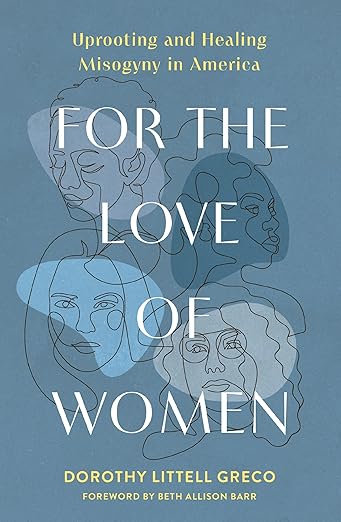
If you've ever been told, "sexism is a thing of the past; women are equal now. Stop complaining!", then you need this book!
Dorothy Greco goes over how misogyny is present in health care, business, the media, our relationships, and of course the church. She puts words to our experiences, and points the way forward.
Couples Coaching
- Couples coaching focuses more on growth, teamwork, and forward movement.
- Coaches help couples strengthen their communication, clarify shared goals, and practice practical skills.
- They do not treat trauma, mental health issues, or deep emotional wounds. They should be trauma informed, but they are not treating trauma.
Coaching is usually not covered by insurance and does not require licensure, which makes verifying training and certification especially important. Because they are not licensed, there is no direct accountability or professional and ethical standards that can be enforced. Coaching also does not require extensive training or education.
A coach may be the right fit if your relationship is relatively healthy, but you want to improve communication, reconnect emotionally, or plan for transitions like marriage, parenting, or career changes.
In short: Coaching helps healthy couples grow.
How to Know if a Couples Therapist (or Marriage Counsellor) Is Qualified
Not all “relationship experts” have formal training. Some social media personalities or unlicensed helpers use the title “therapist” loosely or say they’re certified when they aren’t, so it’s important to verify credentials.
Here’s what to look for:
1. What Licensure Does the Marriage Therapist Have?
A legitimate therapist will have a professional license from their state or provincial board. Common credentials include:
- LMFT – Licensed Marriage and Family Therapist
- LPC or LPCC – Licensed Professional Counselor
- LCSW – Licensed Clinical Social Worker
- PsyD or PhD – Clinical Psychologist
You can confirm a therapist’s license by checking your state’s or province’s online licensure database. Therapists are licensed on a state-by-state (or province-by-province) basis. They must be licensed in the jurisdiction you are in, even if they are doing telehealth with you. There are some exceptions to that, like PsyPact and the Counseling Compact – but any good therapist will answer all your questions about credentials.
Red flag: Anyone unwilling to provide their license information, or who uses vague titles like “relationship expert” or “healing specialist” without listing verifiable credentials.
2. What Specialized Training Does the Marriage Counsellor Have?
Good couples therapy is rooted in evidence-based models. Look for professionals trained in methods such as:
- Gottman Method Couples Therapy
- Emotionally Focused Therapy (EFT)
- Internal Family Systems (IFS)
- Imago Therapy
Ask, “What specific approaches do you use, and how do they help couples like us?”
If they can clearly explain their approach and how it fits your goals, that’s a good sign. And if they say “certified” they can back it up. Most organizations list certified professionals so you can check. Someone doesn’t have to be certified in a given method to be well trained and good, but you do want to ask questions about the training they received. For example, I’ve completed Gottman Level 3 training. I’m not certified in Gottman Method Couples Therapy, but I am well trained and have worked with many couples. I’m able to tell you about the therapy, about how I use it, and answer any questions you may have.
3. Is This Marriage Counsellor a Good Fit and Do They Give Safety?
Even the most qualified therapist isn’t the right fit for everyone.
- You should feel emotionally safe in sessions, not blamed or judged.
- A good therapist promotes teamwork and helps both partners feel heard.
- If something feels off, it’s okay to keep looking until you find someone who feels right.
- A therapist should have solid training in relationship work and understand the dynamics of abuse/coercive control. If you are dealing with betrayal, they should have training in betrayal trauma.
How to Know if a Couples Coach (or Marriage Coach) is Legitimate
Because coaching is unregulated–meaning there is no licensing body for coaches in the US –anyone can technically call themselves a coach. That doesn’t mean coaching isn’t valuable, but it does mean you’ll need to do your homework.
1. Does the Marriage Coach Have Relevant Certification and Training
Look for coaches trained through recognized programs such as:
- International Coaching Federation (ICF)
- Center for Credentialing & Education (CCE)
A trained couples coach will be able to explain their methodology and how they maintain professional standards.
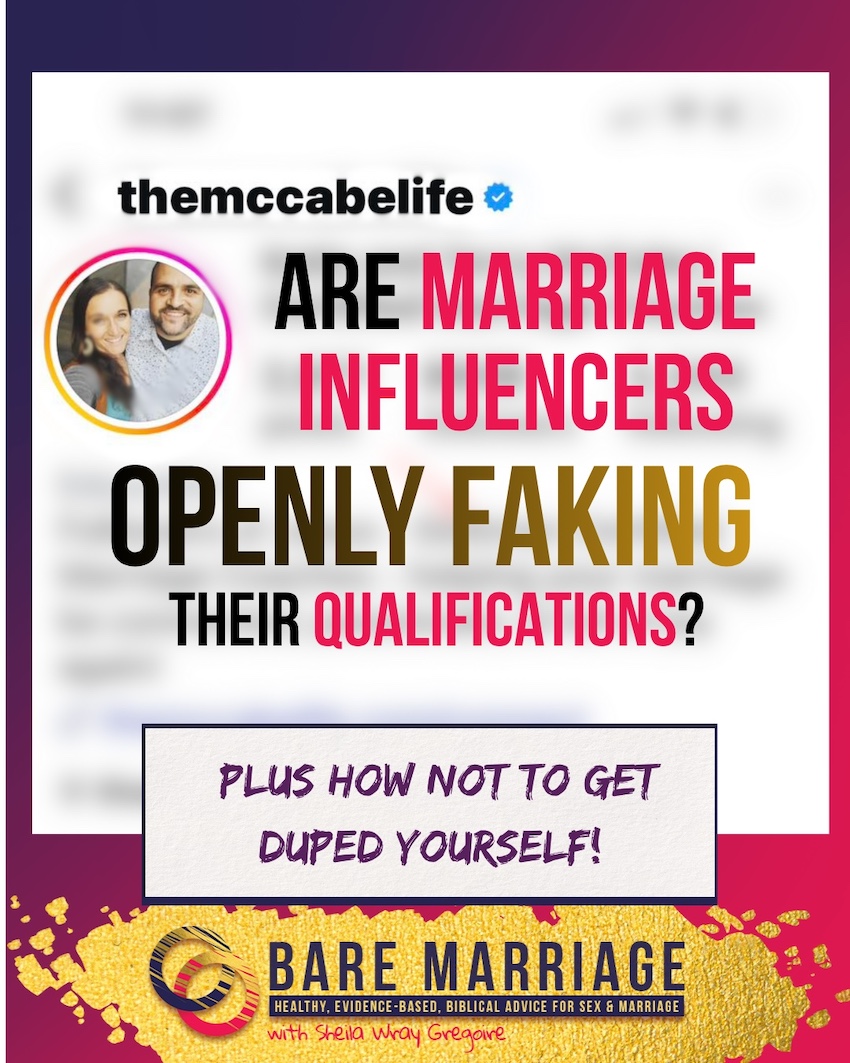
If a marriage coach says they are certified in a particular method, find out if that method actually certifies coaches. Sheila pointed out on the Bare Marriage Facebook page a couple that said they were “Gottman Certified” but Gottman does not certify coaches. A quick review of the Gottman website shows that they only certify licensed therapists.
2. Does the Marriage Coach Have Experience and Good Boundaries?
Good coaches know their limits.
- They stay focused on growth and skill-building, not emotional healing or mental health treatment. They know their lane and their role.
- They will refer you to a therapist if trauma, abuse, or deeper issues emerge. Their paperwork says they refer out when something is out of their scope.
- They don’t have arbitrary rules or make sweeping statements.
For example, one response Sheila got was that good marriage coaching always included a married man and woman as the counseling/coaching team. This isn’t true at all. Great female or male therapists and coaches see couples all the time – and not together. And male/female teams who are NOT married to each other can be great. I have often done co-therapy with a male therapists I’m not married to – and we do great work and help couples heal!
Red flag: A coach who claims to “heal trauma” or provide therapy without clinical training (and a license!) or who say they’re certified in something they are not.
Questions to Ask Before You Commit to a Coach or Therapist
Whether you’re choosing a therapist or a coach, here are some questions you can (and should) ask to help you discern fit and qualifications:
- What is your professional background and education?
- What specific couples training or certifications have you completed?
- How long have you been working with couples?
- What outcomes can we expect, and what does your process look like?
- How do you handle conflict or crisis moments during sessions?
- Do you have training in abuse/coercive control dynamics?
- (For therapists) Are you licensed/registered in my state or province?
- (For coaches) Are you certified, and what code of ethics do you follow?
Red Flags to Watch Out For
- Promises of “quick fixes” or “guaranteed results”
- Spiritual bypassing & misuse of Scripture
- Lack of clarity about qualifications or approach
- Sessions that feel one-sided or shaming
- Pressure to sign up for expensive packages before a consultation
Trust your instincts. If something feels off, it probably is.
Final Thoughts: Healthy Relationships Deserve Qualified Help
Choosing the right person to walk alongside your relationship journey can make all the difference. The right therapist or coach won’t just give advice, they’ll create a safe, respectful space where both partners can grow, heal, and reconnect. Don’t be afraid to ask good questions. Any therapist or coach worth seeing will answer them, will not be angry about you asking, and will have the information readily available.


I think you probably should have made clear in this article more for newcomers (which has been said a lot in previous stuff about abuse) that you shouldn’t do couples counseling with an abuser since they can be manipulative and use what you say in therapy against you and even weaponize “therapy speak” they hear in therapy and you should be doing individual counseling instead.
Experienced marriage counselors will recognize that and discontinue the meetings together, but not all counselors have an eye to recognize abuse especially if the abuser can put on a mask in public which is easy to do in a one hour session.
Very informative post. There’s so many evangelical authors/pastors who are not qualified to counsel couples. Many of them don’t have the right credentials. For example, at the end of one of Jimmy Evans’s books, his bio claims he’s an authority on relationships, but no credentials are listed. He’s also written books on emotional healing which had been popular in the charismatic circle I used to be part of.
“Red Flags to Watch Out For”
No “The Nth time Jesus Appeared unto me in a Vision, he laid on His hands and Anointed me to…”?
I’ll chime in with a little info from Australia.
On 13 October 2025, the Australian Government formally endorsed National Standards for Counsellors and Psychotherapists in Australia. Development of National Standards was funded by the Australian Government and came from recommendations from the Select Committee into Mental Health and Suicide Prevention in 2021.
The National Standards mean all counsellors and psychotherapists will now be unified under a single, approved set of professional standards that aligns with the Australian Qualifications Framework.
The endorsed framework establishes clarity and consistency across all areas of professional practice, including education and training, qualifications (Diploma, Bachelor, Masters levels), professional practice, ethics, competency, diversity and inclusion, and quality assurance.
https://www.health.gov.au/sites/default/files/2025-10/national-standards-for-counsellors-and-psychotherapists-summary-report_1.pdf
The National Standards are endorsed by the major professional associations:
– the Australian Register of Counsellors and Psychotherapists
– the Psychotherapy and Counselling Federation of Australia
– the Australian Counselling Association.
It’s also recognised that other healthcare professionals can provide counselling within their existing Scopes of Practice, including:
– some doctors (medical practitioners are already regulated through AHPRA, Australian Health Practitioner Regulation Agency);
– occupational therapists (regulated through AHPRA);
– mental health nurses (regulated through AHPRA)
– psychologists and psychiatrists (regulated through AHPRA)
– mental health social workers (SW is self regulated, though mirrors AHPRA regulations).
That’s such a good model! I’m so glad governments are recognizing the need for regulating this industry.
Just a quick note to say I love the concise “red flag” bits with the graphic in this piece.
Oh thank you!